

Using a 1031 Exchange on Maui to Leverage Up Without Losing Your Gains to Taxes

From the stable cash flow of rental income to the exceptional growth of property value and more, Maui investment properties hold tremendous financial potential. When you sell a rental property or second home, you will ideally enjoy a handsome profit. As is the case with all types of income, Uncle Sam try to take a cut.
Depending on how much appreciation your subject property of the 1031 exchange has had, tax liabilities from selling can be substantial. So, you'll understandably want to avoid taxes, if possible, and maximize your return on your initial investment. Fortunately, you can do so legally with one of the largest wealth-building tools for real estate investors in the US tax code, the 1031 exchange.
Get a FREE Comparative Market Analysis in today's market. Read My Complete Guide to Selling Your Home or Condo on MauiWhat's your Maui home or condo worth?
Understanding Capital Gains Taxation
The federal capital gains tax is considerable and is based on how profitable your investment was and how long you owned the property. Profit is calculated by the difference between the original purchase price and your net sales price minus the cost of improvements. How longed you have owned the property also matters. If you own your investment property on Maui or anywhere else for less than 12 months, your financial gain is taxed at your current ordinary income tax level.
High earners may pay as much as 37 percent on short-term capital gains. If you own the property for less than 12 months, your current income tax bracket will determine the rate you will pay. The highest capital gains tax rate for long-term investments held for more than 12 months is 20 percent.
Enjoying Appreciation By Reinvesting
A significant financial benefit associated with investing in real estate is appreciation. Unfortunately, the capital gains tax can take away up to 37 percent of that appreciation. The 1031 exchange allows a property owner to participate in a “like-kind exchange,” which requires the seller to reinvest the gains on a replacement property by closing on it within 6 months of the subject property.
By doing so, you can continue building your real estate portfolio without unnecessary taxation. However, you will eventually cash out of your investments, and capital gains tax may be due then. Through one or more 1031 exchanges, however, you may dramatically reduce your overall tax liability over the years. This enables you to build wealth continuously and rapidly.
The Benefits of a 1031 Exchange
.jpg)
A 1031 exchange, which is named after the IRS code’s Section 1031, essentially enables you to swap one investment for another similar investment without concern for taxation. There are specific rules and requirements that must be met.
One of the reasons why many people do not take advantage of a 1031 exchange’s benefits is that the rules and requirements may seem onerous.
However, given the ability to potentially save a six-figure sum of money or more, the effort is worthwhile, and the purchase process does not differ substantially from buying with cash or a loan. It just requires retaining a skilled, experienced real estate agent and 1031 intermediary for the process, and having the escrow/title agent be experienced as well.

A common real estate investment strategy is to gradually move up to larger, more lucrative properties. For example, an investor may hold a small residential investment property for a few years before selling it for a profit.
The investor may then use the cash proceeds as a down payment on a short-term rentable condo in Kapalua, or on a rental home in Kula, for example.
This process may be repeated with progressively larger and more valuable real estate investments. When the government dips its hand into the pool of cash proceeds between each transaction, your reinvestment capabilities are diminished.
When this diminishment persists across multiple transactions over the years, the impact on your net worth and real estate income can be incredible. You probably already know all of this, though, so let's get into the details and how to make sure you complete the process successfully.
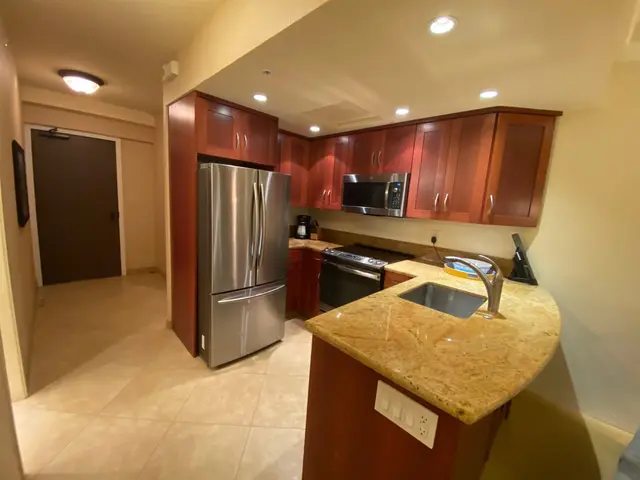
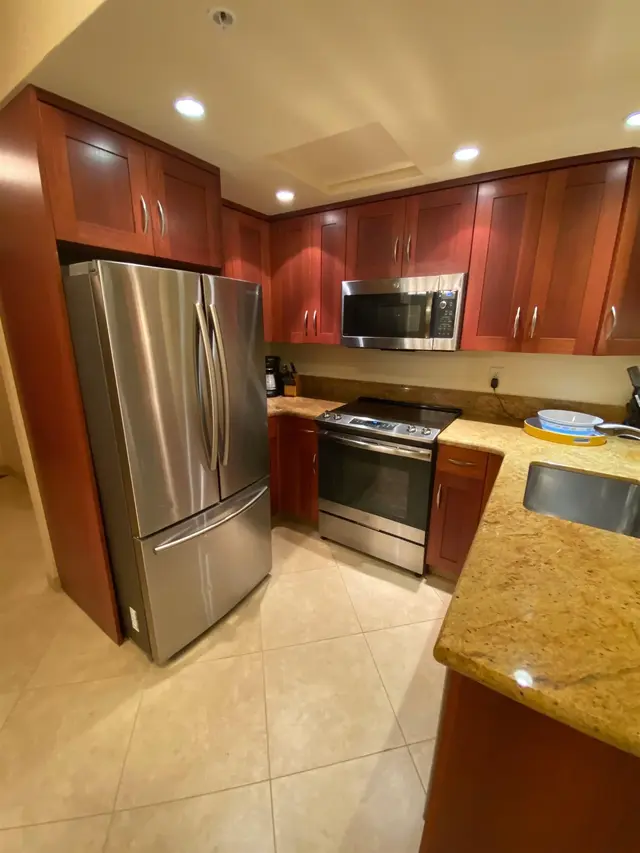
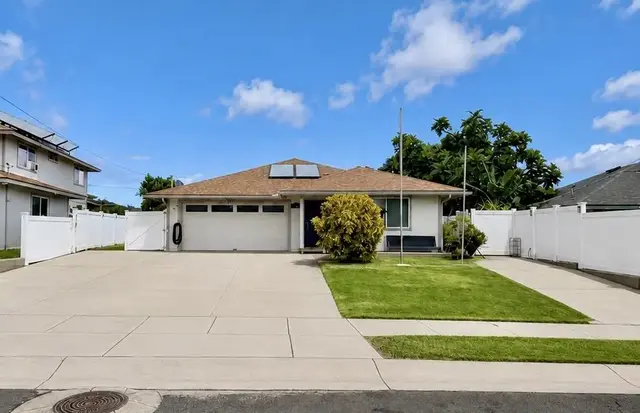
Most Recently Closed Properties on Maui
































.webp)



Requirements for a 1031 Exchange on Maui
What does it take to protect your wealth through a 1031 exchange on Maui? The most common type of 1031 exchange is a delayed exchange. With this type of exchange, you are given 45 days after the sale of one property to identify a “like-kind” property that you want to invest in.
To comply with the IRS’s tax guidelines, you must then close on the property you identified within 180 days of the sale of the original property.

The IRS code specifically states that a 1031 exchange is for similar investments only. This may sound constricting, but it actually is a very lenient rule. For example, you can exchange a small apartment complex for a large retail center or a plot of land for an office building investment, a condo for a home, etc.
Essentially, you must exchange a real estate investment for a real estate investment. Keep in mind that a 1031 exchange does not pertain to a personal residence, but there is a loophole for exchanging vacation homes. The 1031 exchange addendum is added to the Hawaii Purchase Contract and is coordinated by the intermediary assigned during escrow.
The Exchange Process
A delayed 1031 exchange is completed through a qualified intermediary, also known as a QI. You must set up the 1031 exchange before the sale of your original subject property has been finalized. The funds from that sale will be transferred immediately to a holding account via the qualified intermediary.
It can take time and leverage to secure suitable investment properties on Maui, so your search for a replacement property should begin before the sale of the relinquished property is finalized. However, you have 45 days to identify the property that you wish to buy.
Be aware that you must notify the IRS of the property that you intend to buy, and that must be the property that you eventually close on. You may actually choose up to three properties, and you must close on one of the identified properties to avoid paying capital gains tax.
You will then walk through the purchase process for the new property as you normally would. The seller will sign a disclosure related to the 1031 exchange upfront, but all other aspects of the purchase will proceed as usual. At closing, the QI will disperse the held funds directly to the closing agent, and the transaction will be complete.
Different Types of 1031 Exchanges
The other types of 1031 exchanges are reverse exchanges, simultaneous exchanges, and improvement exchanges. A reverse 1031 exchange occurs when the investor purchases the replacement property before selling the relinquished property. A simultaneous exchange is when the relinquished property is sold at the same time the replacement property is purchased.
An improvement exchange enables the investor to use the proceeds from the relinquished property to make capital improvements on the replacement property.
In Conclusion
While a 1031 exchange on Maui or anywhere else requires extra effort and inevitably involves more paperwork, the effort can be well-rewarded. Using a skilled realtor with 1031 experience will be a great help, of course. Keep in mind that there is no limit to the number of 1031 exchanges you can do.
I have extensive experience representing clients exchanging into and out of Maui. If you are interested in a 1031 exchange, please reach out to me, and I can connect you with my preferred qualified intermediaries, who can answer your questions and guide you through the process seamlessly.
Get In Touch With Evan!
_(1).webp)
Evan Harlow ranks among the best real estate agents on Maui annually and is in the top 1% of Coldwell Banker agents worldwide in production. Evan has the expertise, experience, and work ethic to help you achieve your real estate buying and selling goals. We promise exceptional service and support from the beginning of the process through closing and beyond. See what Evan's clients are saying on Google.
Posted by Evan Harlow R(S) on
Enjoy this blog post? Click here to subscribe for updates
Leave A Comment